

Tarpon Springs: the sponge industry never actually stopped
A working waterfront built by Greek divers in the early 1900s, in the city with the highest percentage of Greek Americans in the country.
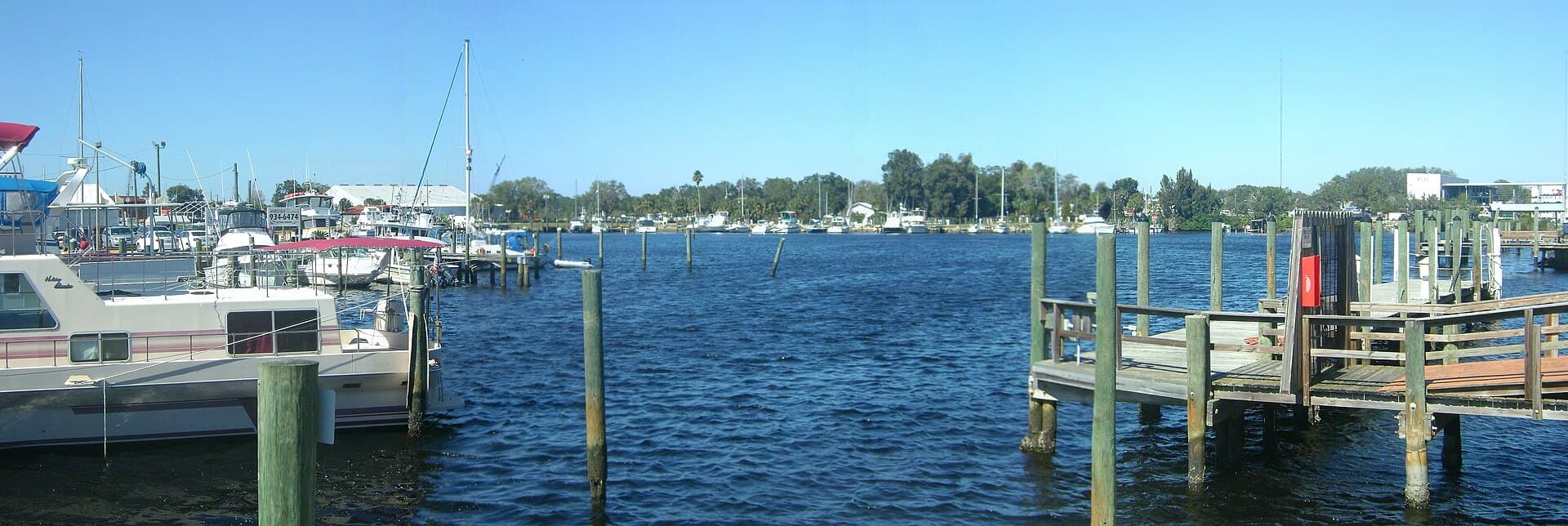
At the north end of Pinellas County, Dodecanese Boulevard runs along the Anclote River past docks where sponge boats tie up. This is not a reconstruction. The industry that built this town is still operating, at a smaller scale than its peak but genuinely operating.
How it started
Sponge harvesting began in this area in the late nineteenth century. In the early 1900s, John Cocoris introduced deep water diving using helmeted suits and recruited experienced divers from the Greek islands, particularly the Dodecanese, to work here. Whole families followed.
The result is that Tarpon Springs has the highest percentage of Greek Americans of any city in the United States, and it is not a historical footnote. It is visible in the churches, the bakeries, the restaurants and the language you hear on the street.
Epiphany
Every January 6, St. Nicholas Greek Orthodox Cathedral leads an Epiphany celebration in which young men dive into Spring Bayou to retrieve a cross thrown into the water. It draws thousands of people to a small city, and it is one of the largest Epiphany observances in the country.
What to do there
The Sponge Docks are lined with shops, bakeries and Greek restaurants. Boat tours run from the docks, including trips that demonstrate traditional sponge diving. It is touristy in places, and the food is genuinely good, and both of those things can be true at once.
Away from Dodecanese Boulevard, downtown Tarpon Springs along Tarpon Avenue has antique shops and a quieter historic district. Spring Bayou, ringed by older homes, is a short walk from there.
The natural sponge trade today
Synthetic sponges took most of the market in the twentieth century, and disease outbreaks damaged the beds more than once. The industry contracted but did not vanish. Natural sponges are still harvested, graded and sold here, which is the difference between a working waterfront and a museum of one.
Cover photo: dpursoo / Wikimedia Commons (CC BY-SA 3.0). Source.
Continue this story for free.
Stay informed about Pinellas County. Enter your email to access the full story and receive local news and community updates.
Free to read · No password to remember
New here? We’ll email you a sign-in link and code. Already a reader? Use your usual email.
Read next
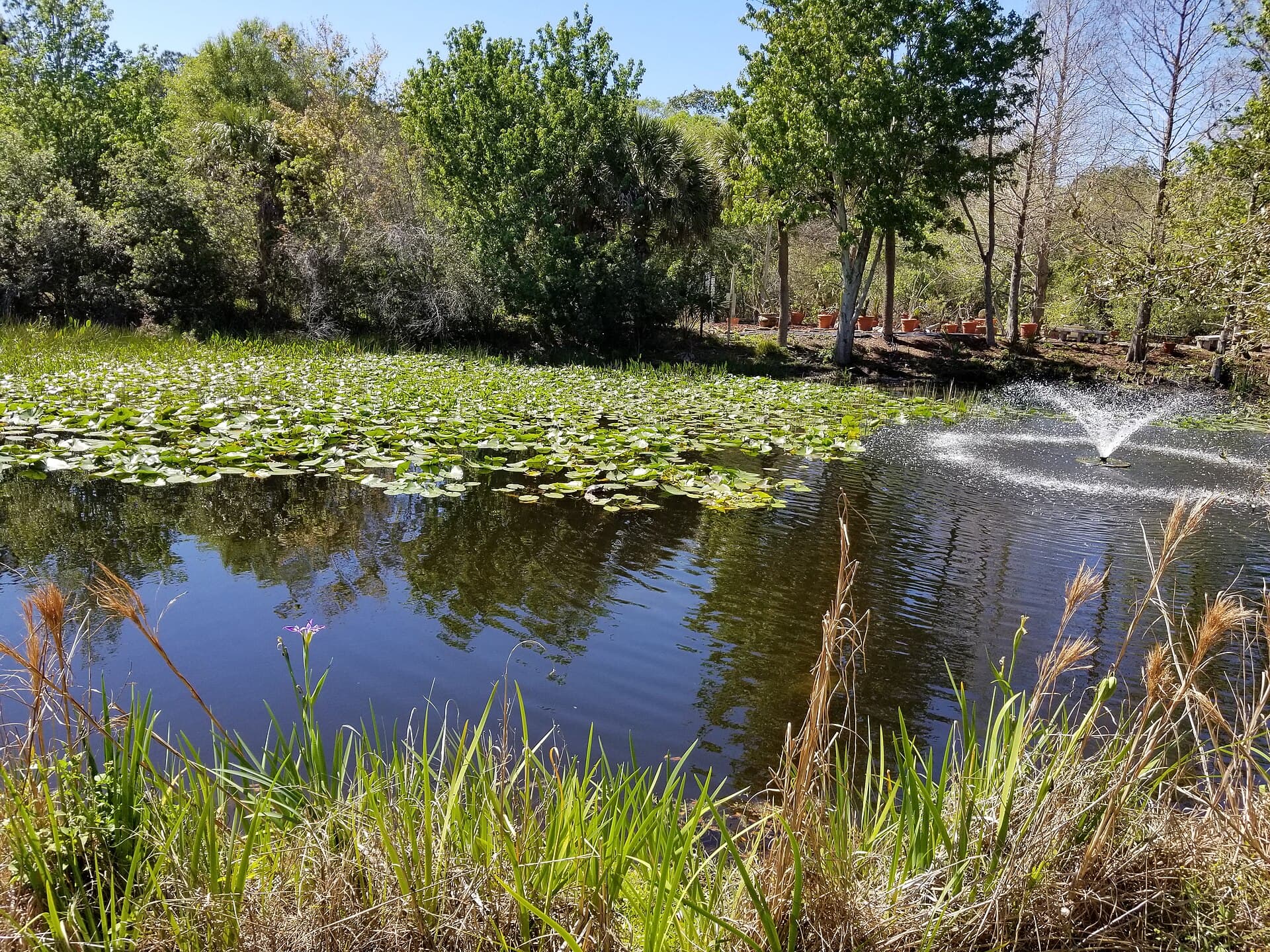
Largo has the county museum and the botanical gardens, side by side
Two free county attractions on the same campus: a village of relocated historic buildings, and a botanical garden built on a former agricultural site.
Read the story ↗
Stay connected with Pinellas County
Follow us for the latest community news and updates
Comments
What does this mean for your neighborhood? Share your experience or ask a question.
Your draft stays here while you sign in. Be respectful and keep it local.
No comments yet. Be the first to share your thoughts!