

Two Local Dengue Cases Confirmed in Palm Harbor, Triggering Door-to-Door Mosquito Inspections
The Florida Department of Health in Pinellas County issued a Mosquito-Borne Illness Alert on Aug. 11 after confirming two locally acquired dengue cases in the Palm Harbor area. Crews are now fogging at dawn and knocking on doors, and the county says the biggest fix is emptying the water in your own yard.
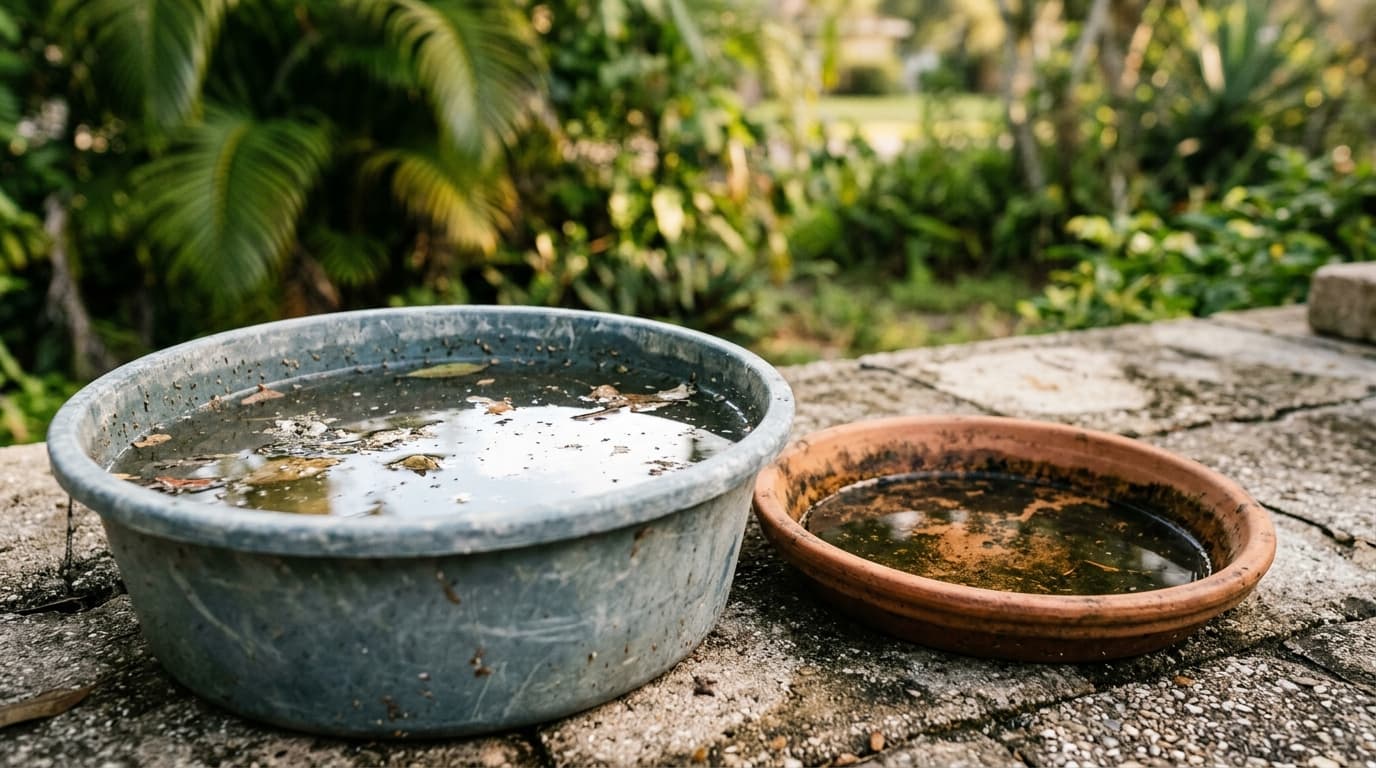
Two people in the Palm Harbor area have been confirmed with locally acquired dengue fever, and Pinellas County Mosquito Control is now running dawn truck fogging, daytime backpack treatments and daily door-to-door yard inspections in the affected neighborhood. The Florida Department of Health in Pinellas County issued a Mosquito-Borne Illness Alert on Aug. 11. "Locally acquired" is the part that matters for anyone living nearby: these two people did not pick it up on a trip abroad. They were bitten here.
According to CDC data cited in local news reports, this is the first locally acquired dengue in Pinellas County in more than 15 years. The county's mosquito control manager told local media that Pinellas has no modern history of dengue, and that the likely chain started with someone who was infected elsewhere, came home, got bitten, and passed the virus into the local mosquito population.
What crews are doing, and where
Mosquito Control stepped up ground inspections and started dawn truck-mounted fogging late in the week before the alert, after monitoring showed both virus activity and mosquito numbers climbing. DOH-Pinellas and the county are coordinating on surveillance, education and treatment in the impacted area.
Here is the wrinkle. The two species that carry dengue, Aedes aegypti and Aedes albopictus, bite during the day, stay low to the ground and breed in containers rather than ditches and marshes. The county says the routine tools it leans on for nuisance mosquitoes, traditional adulticide spraying and aerial larviciding, are not effective against them. That is why technicians are walking yard to yard instead of just driving through with a fogger, and why the county is asking residents to let those technicians onto the property to find and dump breeding sites.
Recent and planned treatments across the county are posted on the county's Mosquito Control page, which includes an interactive treatment map.
Your yard is the front line
Mosquito Control is blunt about it: dumping standing water is the single most effective thing a household can do against these two species. Check the yard once a week. A bottle cap of water is enough for a full life cycle, so the usual suspects are buckets, kids' toys, tarps, planters and saucers, pool covers, coolers, clogged gutters and old tires. Storm debris holding water counts too.
The county's shorthand is the 3 Ds:
- Dump or cover standing water around the property.
- Dress in light-colored, long-sleeved clothing and closed-toed shoes.
- Defend with an EPA-registered repellent containing DEET, picaridin, IR3535 or oil of lemon eucalyptus.
The health department adds one more: fix torn screens on windows, doors, porches and patios. It also notes that EPA-registered repellents, used as directed, are considered safe for pregnant and breastfeeding women.
Dengue usually shows up as a flu-like illness with fever, severe muscle aches and joint pain, sometimes a rash, and pain behind the eyes. Respiratory symptoms are typically absent. Symptoms appear within 15 days of an infected bite. It does not spread person to person. If you think you have a mosquito-borne illness, call DOH-Pinellas immediately at (727) 824-6932, or contact your health care provider.
West Nile is a separate, countywide concern
At the same time, county staff have logged an uptick in West Nile virus in Pinellas sentinel chickens, the flocks used as an early warning system for West Nile, St. Louis encephalitis and Eastern equine encephalitis. In response, the county is enhancing overnight truck treatments and daytime aerial treatments countywide. No human West Nile cases have been reported in Pinellas so far this year.
The dengue situation is not confined to this county either. State health figures put the regional total at eight locally acquired cases in Hillsborough County alongside the two here, with both counties under alerts. Dengue is not endemic to Florida, and in a normal year Tampa Bay area cases are travel-related.
The county issued a broader mosquito warning on Aug. 7, four days before the Palm Harbor alert, after heavy rain left breeding habitat around parks, natural areas, homes and businesses. With crews pulled into the dengue response, residents calling in routine service requests should expect slower turnaround. Mosquito Control can be reached at (727) 464-7503. There is no set end date for the enhanced treatments in Palm Harbor; the county is running daily surveillance and will adjust as trap results come back.
For more updates like this, visit the Pinellas County Community Website, follow us on Facebook, and join the conversation in our Community Forum. You can also read more healthcare stories and keep up with the latest local alerts.
---END---
Continue this story for free.
Stay informed about Pinellas County. Enter your email to access the full story and receive local news and community updates.
Free to read · No password to remember
New here? We’ll email you a sign-in link and code. Already a reader? Use your usual email.
Read next
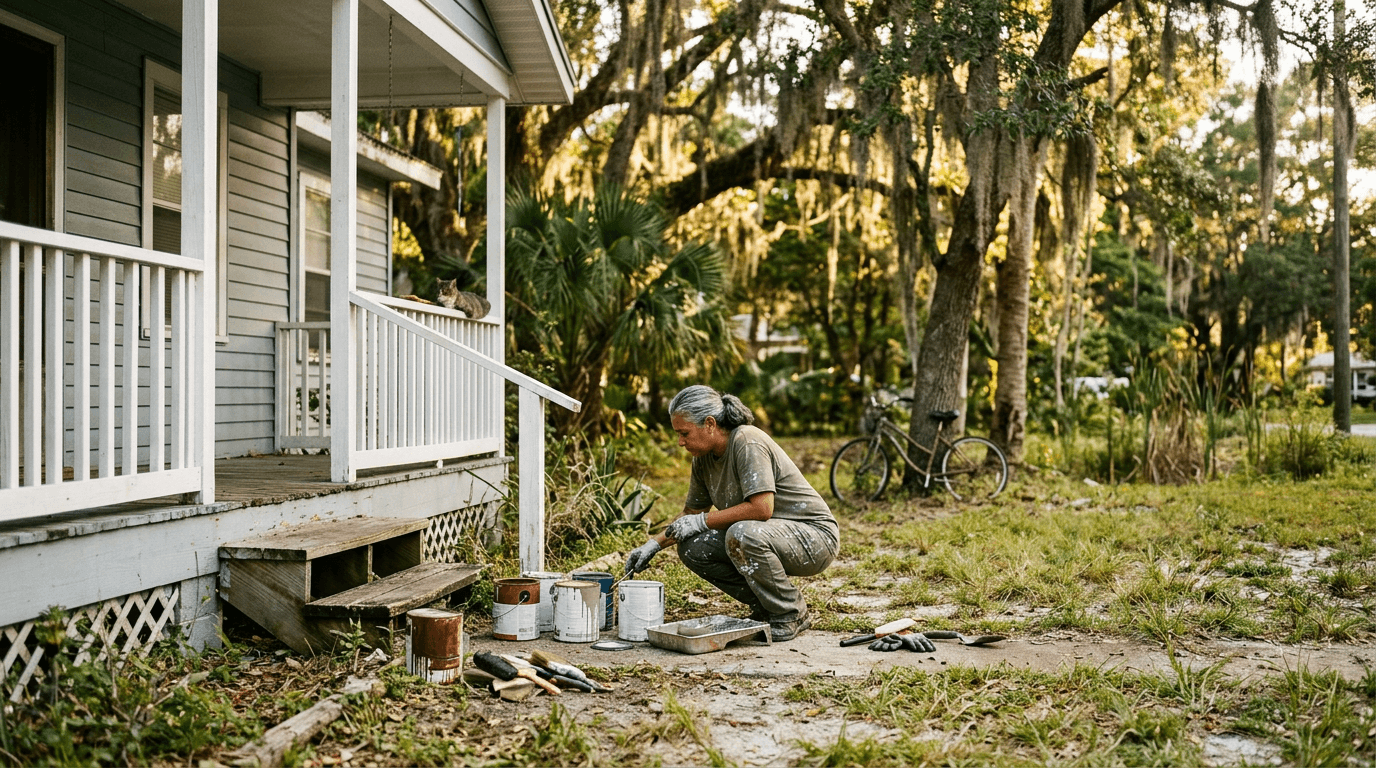
St. Pete Sets Aside $11.6M for Affordable Apartments, But Requests Already Top $60M
The South St. Petersburg CRA board unanimously backed $15.1 million for housing next year, but council members pressed staff on whether enough of it reaches homeowners already living there.
Read the story ↗

Stay connected with Pinellas County
Follow us for the latest community news and updates
Comments
What does this mean for your neighborhood? Share your experience or ask a question.
Your draft stays here while you sign in. Be respectful and keep it local.
No comments yet. Be the first to share your thoughts!